July 24, 2025
Understanding the Differences | Tuckpointing vs Repointing
Tuckpointing vs Repointing: Understanding the Differences
When it comes to maintaining the integrity and appearance of your masonry, tuckpointing vs repointing are two essential processes often used interchangeably. However, these techniques serve distinct purposes, and understanding the differences can help you choose the right solution for your masonry needs. In this guide, we’ll break down the differences between tuckpointing vs repointing, when each technique should be used, and how they contribute to the longevity of your building.
What is Tuckpointing vs Repointing?
Both tuckpointing vs repointing involve repairing or restoring the mortar between bricks or stones, but the way they are executed and the desired outcomes are different. Let’s dive deeper into each process.
Tuckpointing vs Repointing: The Purpose
When it comes to tuckpointing vs repointing, the main difference lies in their primary purpose.
-
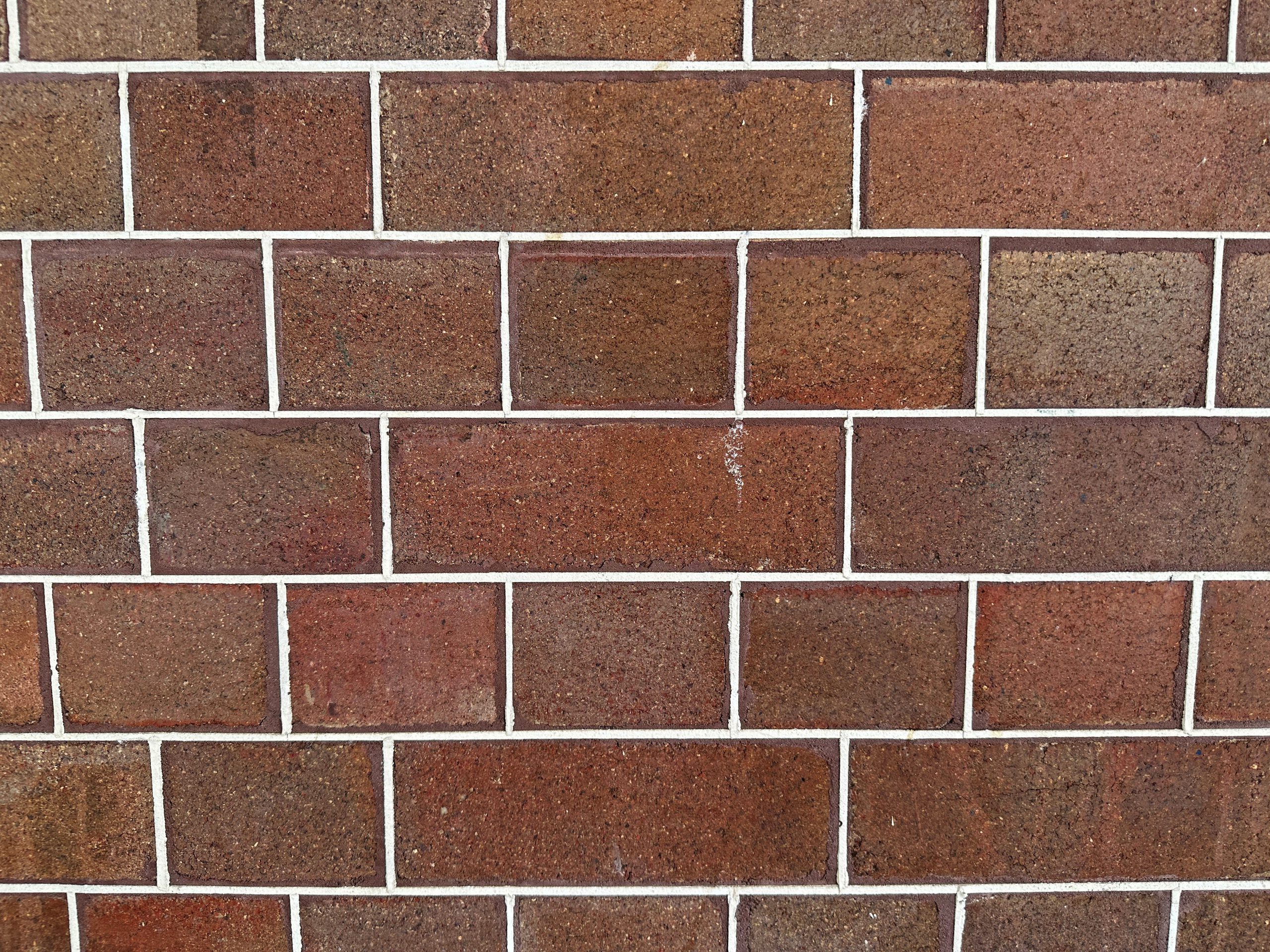
Tuckpointing is a technique used to create a neat, aesthetically pleasing appearance while also serving as a functional repair. It involves removing the old mortar and replacing it with new mortar, followed by adding a contrasting line of mortar to create the illusion of fine joints. This technique is used to restore the appearance of brickwork and is often associated with historic preservation.
-
Repointing, on the other hand, focuses primarily on the structural integrity of the masonry. It involves removing and replacing old, crumbling mortar to prevent water from infiltrating and damaging the structure. Repointing is more concerned with sealing gaps and ensuring that the building remains strong and durable.
Tuckpointing vs Repointing: Aesthetic vs Structural
The main distinction between tuckpointing vs repointing is the emphasis on aesthetics versus structural repair. Tuckpointing is often done for cosmetic reasons, particularly in older buildings where the appearance of the mortar joints is crucial for maintaining the building’s visual appeal. This is particularly common in historic buildings where maintaining the original appearance is a priority.
In contrast, repointing is a more functional repair. It is essential when the mortar joints have deteriorated due to weathering, age, or exposure to moisture. Repointing focuses on repairing the structural integrity of the masonry, preventing further damage to the building’s foundation.
How Tuckpointing vs Repointing Are Done
The actual process of tuckpointing vs repointing involves similar steps in terms of removing the old mortar, but there are key differences in the final touches.
Tuckpointing Process
Tuckpointing begins with removing the old mortar from the joints, just like repointing. However, the significant difference lies in the final application. After the old mortar is removed, the new mortar is applied, and a contrasting line is added to create the illusion of narrow joints. This thin line is typically lighter in color and is carefully applied to give the brickwork a sleek, finely detailed look.
What to Expect with Tuckpointing:
-
Old mortar is removed, often with a specialized tool.
-
New mortar is applied to fill the joints.
-
A contrasting, fine line of mortar is added to the surface for a decorative effect.
-
The work is done carefully to achieve a neat and polished appearance.
Repointing Process
Repointing focuses more on the integrity of the building rather than its appearance. After the old mortar is removed, new mortar is applied without the decorative finishing touches seen in tuckpointing. The goal is to ensure that the joints are sealed properly to prevent water infiltration and further damage to the masonry.
What to Expect with Repointing:
-
The existing, deteriorated mortar is carefully removed.
-
New mortar is applied to fill the joints, ensuring a strong seal.
-
No decorative finish is added, as the primary goal is functionality rather than appearance.
Tuckpointing vs Repointing: When to Use Each
Understanding tuckpointing vs repointing will help you determine which technique is right for your needs. Both methods are valuable, but they serve different purposes in masonry care.
When to Use Tuckpointing
Tuckpointing is ideal when you want to restore the aesthetic appeal of your brick or stonework while also ensuring the structural integrity of the building. It is commonly used in historic preservation and restoration projects where maintaining the original appearance is essential. Tuckpointing can also help to seal the masonry against moisture, which is particularly beneficial in older homes or buildings with mortar that has deteriorated over time.
Use Tuckpointing When:
-
You want to restore the appearance of the masonry.
-
The building has historical or aesthetic significance.
-
There’s minor to moderate mortar deterioration, and you want to improve visual appeal.
When to Use Repointing
Repointing is used primarily for functional repairs when the mortar joints have deteriorated to the point of allowing water infiltration or structural issues. This method is necessary when the integrity of the building is at risk. If your building shows signs of water damage, mold, or shifting due to weak mortar joints, repointing is the best solution.
Use Repointing When:
-
The mortar joints have deteriorated significantly.
-
You need to restore the structural integrity of the building.
-
There are signs of water infiltration, cracks, or mold in the masonry.
Tuckpointing vs Repointing: Conclusion
In conclusion, tuckpointing vs repointing serves different yet complementary roles in masonry care. Tuckpointing is a more decorative process that focuses on restoring the appearance of the masonry while also providing some functional benefits, like sealing gaps and preventing water penetration. Repointing, on the other hand, is focused primarily on repairing the functionality of the mortar joints, ensuring the structural integrity of the building.
By understanding the differences between tuckpointing vs repointing, you can make an informed decision about which technique is right for your project. Whether you’re maintaining a historic property or repairing your current home’s masonry, both methods are essential for keeping your building safe and looking great for years to come.